
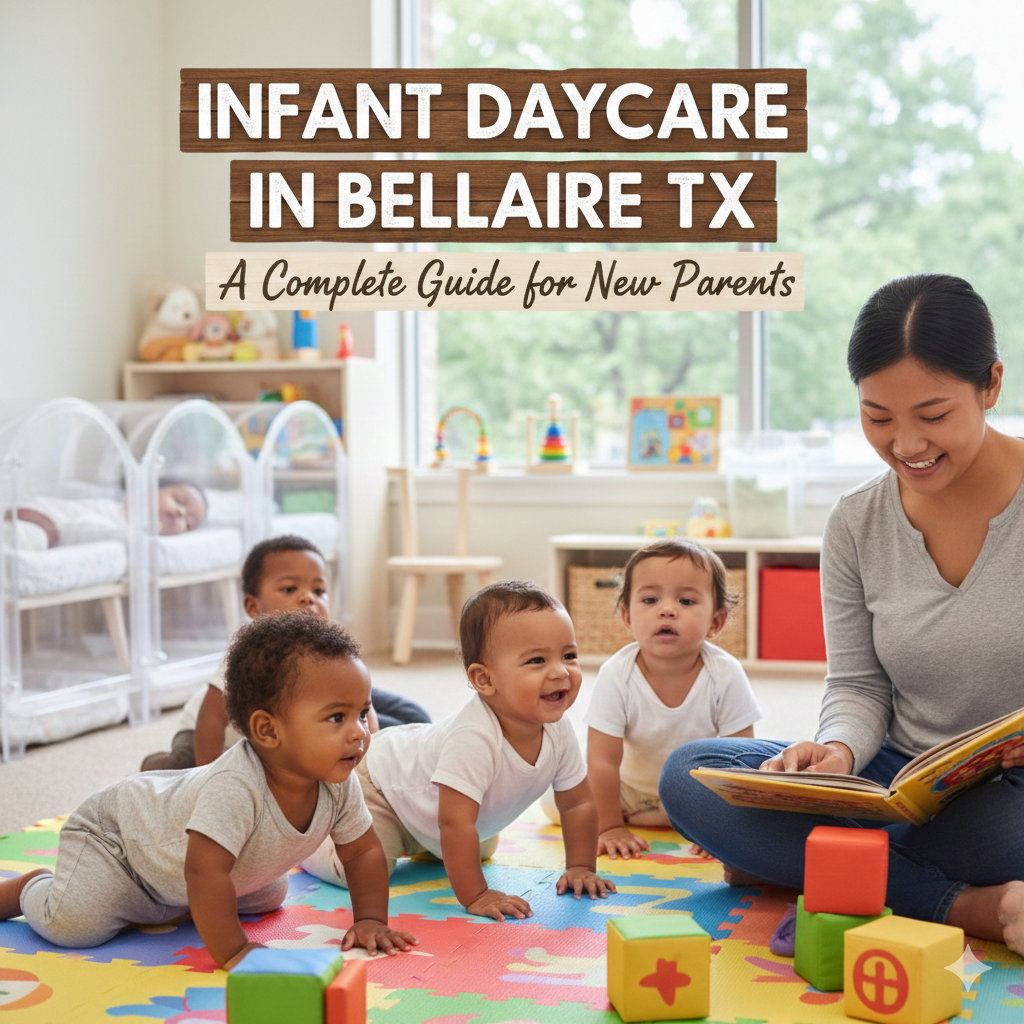
Becoming a parent brings joy, excitement, and an entirely new set of decisions none more important than choosing the right care for your infant. For families in Bellaire, finding a safe, nurturing, and dependable infant daycare is a top priority. Infants require more than supervision; they need responsive caregiving, structured routines, and an environment that supports healthy physical, emotional, and cognitive development.
This comprehensive guide is designed to help new parents understand what quality infant daycare looks like, what questions to ask, and how to confidently choose a center that meets both regulatory standards and your family’s expectations.
Understanding Infant Daycare: What Makes It Different?
Infant daycare is fundamentally different from toddler or preschool care. Infants rely entirely on caregivers for feeding, comfort, mobility, and emotional regulation. A high-quality infant daycare program is built around individualized care rather than group instruction.
Key characteristics of strong infant programs include:
- Low caregiver-to-infant ratios
- Flexible schedules that follow each baby’s needs
- Constant supervision and gentle, responsive interaction
- A calm, hygienic, and secure environment
Parents should expect infant classrooms to feel quieter, more intimate, and highly structured around safety and routine.
Licensing and Regulations in Bellaire, TX
Licensing is the foundation of safe infant care. Licensed daycare centers must meet state-mandated requirements related to staffing, facility safety, sanitation, training, and recordkeeping. These standards exist to protect children and provide accountability.
For infant care specifically, licensing often covers:
- Stricter staff-to-child ratios
- Safe sleep compliance (crib standards, sleep positioning)
- Feeding and bottle-handling procedures
- Enhanced sanitation and illness-prevention policies
When touring an infant daycare, confirm that licensing is current and ask how the center stays compliant with ongoing inspections and training requirements.
Staff Qualifications and Caregiver Experience
Infants thrive when cared for by consistent, well-trained professionals. The best infant daycare centers invest heavily in staff quality and retention.
Look for caregivers who demonstrate:
- Training in infant development and responsive caregiving
- Experience handling feeding, sleep routines, and developmental milestones
- Calm, attentive interaction and clear communication
- Knowledge of safe sleep, choking prevention, and hygiene practices
Ask how long caregivers typically stay with the center and whether infants remain with the same primary caregivers over time. Consistency supports emotional security and healthy attachment.
Safety and Cleanliness: Non-Negotiables for Infant Care
Safety is paramount in infant daycare. Because infants explore with their mouths and lack mobility awareness, even small oversights can create risk.
A reliable infant daycare should have:
- Secure entry systems and controlled pickup procedures
- Clearly separated diapering, feeding, and sleeping areas
- Daily sanitation routines for toys, floors, and surfaces
- Safe storage of cleaning supplies, formula, and breast milk
Observe whether caregivers wash hands frequently, sanitize surfaces after use, and follow hygiene protocols consistently not just during tours.
Safe Sleep Practices and Nap Routines
Sleep safety is one of the most critical aspects of infant daycare. A quality program strictly follows safe sleep guidelines to reduce risk and ensure proper rest.
Key indicators of safe sleep practices include:
- Infants placed on their backs in individual cribs
- Cribs free of blankets, pillows, or toys
- Clearly labeled bedding and sleeping spaces
- Regular monitoring during naps
Ask how sleep schedules are handled and whether caregivers adapt to your infant’s natural routine rather than enforcing rigid group schedules.
Feeding, Nutrition, and Bottle Safety
Feeding is a central part of infant daycare and must be managed with precision and care. Whether your baby is breastfed, formula-fed, or transitioning to solids, procedures should be clear and well documented.
Reliable centers follow strict protocols for:
- Proper labeling and storage of bottles and breast milk
- Safe warming practices (never microwaving bottles)
- Allergy awareness and dietary restrictions
- Feeding infants according to individual schedules
Communication is essential. Parents should receive daily updates on feeding amounts, times, and any concerns observed during the day.
Emotional Development and Responsive Care
Infant daycare is not only about physical care it plays a vital role in emotional and social development. Babies learn trust, communication, and self-regulation through consistent, responsive interactions.
High-quality infant programs emphasize:
- Prompt response to crying and distress
- One-on-one interaction, talking, singing, and eye contact
- Gentle transitions between activities
- Respect for each infant’s temperament and cues
Observe how caregivers comfort babies. Are they patient and attentive, or rushed and reactive? Emotional safety is just as important as physical safety.
Daily Routines and Developmental Stimulation
While infants do not follow academic curricula, structured routines support learning and development. Activities should be simple, age-appropriate, and flexible.
Common infant daycare activities include:
- Tummy time and supervised movement
- Sensory play with textures, sounds, and colors
- Reading and singing to support language development
- Outdoor time when weather permits
Ask how the center tracks developmental milestones and how they communicate progress with parents.
Communication With Parents: Building Trust
Transparent, consistent communication is a hallmark of reliable infant daycare. Parents should feel informed, respected, and confident in the care their child receives.
Strong communication systems include:
- Daily reports covering feeding, sleep, diapers, and mood
- Immediate notification of injuries or health concerns
- Regular opportunities for parent-teacher conversations
- Clear policies and easy access to leadership
Trust your instincts if communication feels unclear or dismissive during early interactions, it may indicate ongoing challenges.
Transitioning Your Infant Into Daycare
Starting daycare is a major adjustment for both parents and babies. A supportive center helps families transition gradually and thoughtfully.
Helpful transition practices include:
- Short initial visits before full enrollment
- Gradual increase in attendance hours
- Open dialogue about routines and comfort strategies
- Encouragement for parents to share preferences and concerns
A flexible, supportive transition reduces stress and helps infants adjust more smoothly to their new environment.
Questions Every Parent Should Ask
Before enrolling your infant, consider asking:
- What is your caregiver-to-infant ratio at all times?
- How do you handle illness, fever, or emergencies?
- Who will be my baby’s primary caregivers?
- How do you ensure safe sleep and feeding practices?
- How do you communicate daily updates and concerns?
The clarity and confidence of the answers often reveal as much as the answers themselves.
Final Thoughts: Choosing Infant Daycare in Bellaire, TX
Selecting infant daycare is a deeply personal decision that balances trust, safety, and peace of mind. The best infant daycare centers in Bellaire, TX combine licensed compliance with compassionate caregiving, clear communication, and thoughtful routines designed around each baby’s needs.
Take your time, tour multiple centers, observe interactions closely, and ask detailed questions. When you find a daycare where caregivers are attentive, systems are consistent, and your baby is treated as an individual not a number you can feel confident that you have chosen a place where your child can grow, thrive, and feel secure from the very beginning.